If you live in Long Beach, Ocean Park, or Seaview, you already know this isn’t a “normal” roofing environment. The salt air, Pacific windstorms, and constant moisture create problems that homeowners inland never have to think about.
That’s why choosing the wrong roofing material on the Long Beach Peninsula can mean spending $20,000+ on a roof that starts failing far sooner than expected.
This guide breaks down the real-world performance of metal vs. asphalt roofing in our coastal climate—without sales fluff—so you can make a decision that actually lasts.
Why Coastal Roofing in Long Beach Is Different
The marine climate along the Washington coast creates three major roofing threats:
1. Salt Air Corrosion
Salt particles carried by ocean wind accelerate rust, especially on fasteners and metal panels that aren’t marine-rated.
2. Gale-Force Winds
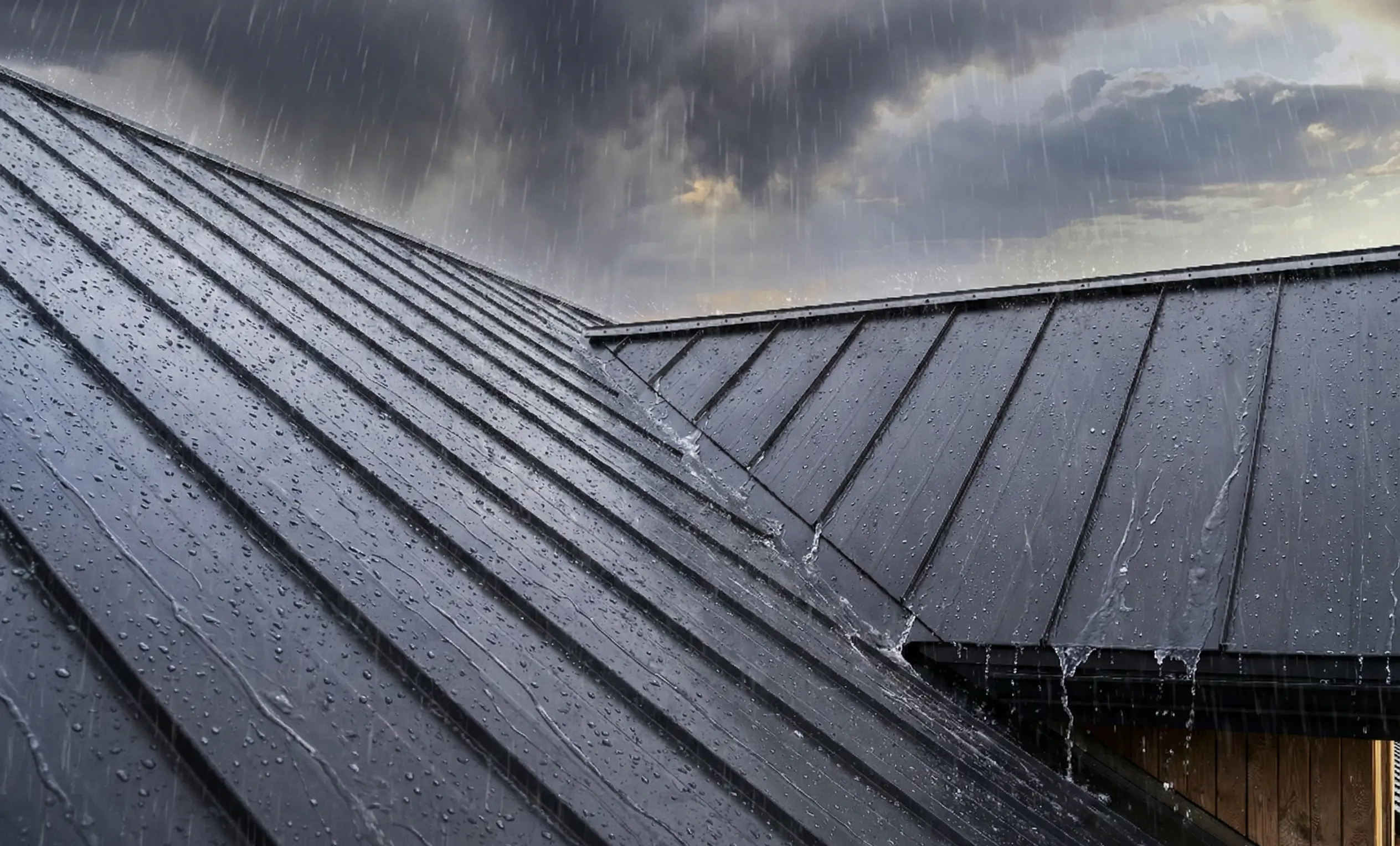
Winter storms routinely bring 50–70+ mph gusts, which can lift poorly installed shingles or expose weak flashing.
3. Constant Moisture & Moss
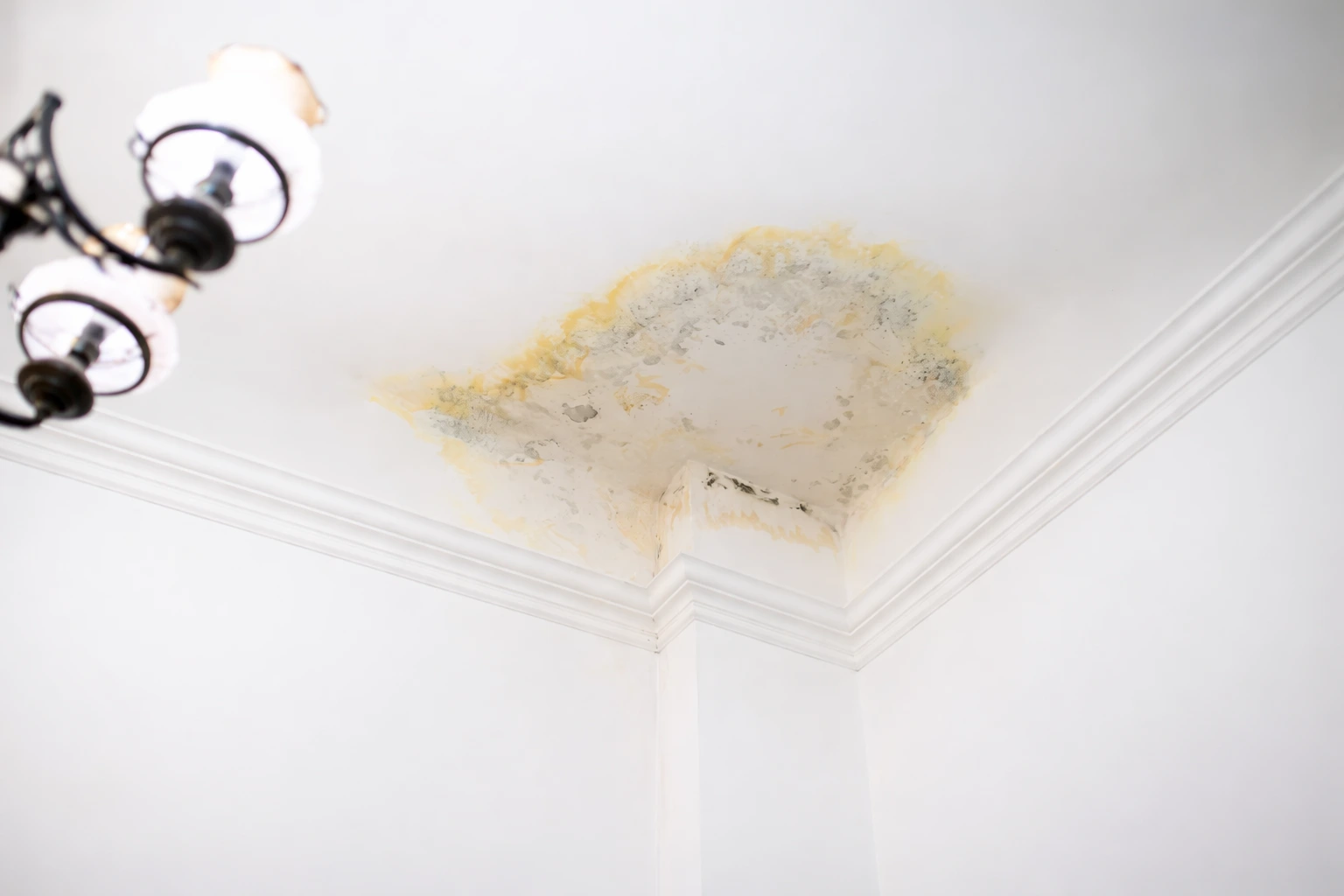
Frequent rain, fog, and overcast conditions allow moss to grow year-round, lifting shingles and trapping water underneath.
If a roofing system isn’t designed for all three, it will fail early—often silently.
Metal Roofing on the Long Beach Peninsula: Pros & Cons
Metal roofing is popular near the coast, but not all metal roofs are the same.
The Problem with Standard Steel Roofing
Many homeowners assume all metal roofs resist rust. Unfortunately, that’s not true.
- Galvanized steel relies on a zinc coating
- Salt air slowly eats away that coating
- Once exposed, the steel rusts quickly—often starting at fasteners and seams
This is why some coastal metal roofs show corrosion in 5–10 years.
What Actually Works at the Coast
For true coastal durability, materials matter:
- Aluminum roofing – Naturally corrosion-resistant, ideal for salt exposure
- Copper roofing – Extremely durable (but expensive)
- Marine-grade coated steel – Requires high-end coatings designed for coastal use
Key takeaway: If the metal isn’t specifically rated for marine environments, it’s a gamble on the Washington coast.
Asphalt Shingles in Long Beach: Still a Viable Option?
Yes—but only when installed correctly and maintained.
Why Asphalt Still Works Here
- Doesn’t rust in salt air
- More affordable upfront
- Easier repairs after storm damage
Where Asphalt Fails
- Moss growth shortens lifespan
- Standard installations often fail in high winds
- Cheap nails corrode before shingles fail
High-Wind Installation Is Non-Negotiable
In Pacific County, shingles should be installed with:
- 6 nails per shingle (not the standard 4)
- Proper adhesive activation
- Reinforced ridge and edge detailing
Most “wind damage” roofs we inspect failed due to installation shortcuts, not material defects.
The Hidden Secret: Stainless Steel Nails
Here’s a truth most contractors won’t tell you:
Most coastal roof failures aren’t caused by shingles or panels—they’re caused by rusted fasteners.
Why This Matters in Long Beach
- Standard electro-galvanized nails rust quickly near the ocean
- Rusted nails lose holding power
- Shingles loosen, lift, and blow off during storms
The Solution
- Stainless steel nails cost more upfront
- They don’t rust in salt air
- They dramatically extend roof lifespan
If you want a 30–50 year roof on the coast, stainless steel fasteners are essential—especially for asphalt systems.
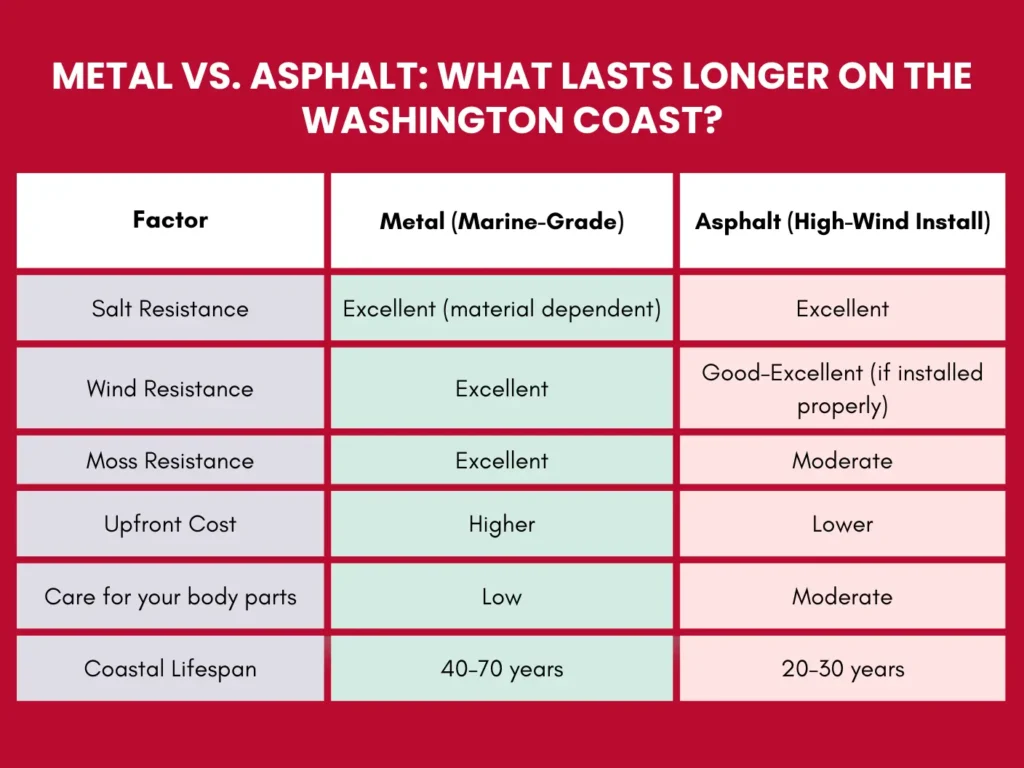
Bottom line:
- Want maximum longevity? Choose marine-grade metal.
- Want cost-effective reliability? High-wind asphalt with stainless nails performs extremely well here.
Best Time to Replace a Roof in Long Beach, WA
The Pacific Northwest roofing window matters.
Ideal seasons:
- Late spring
- Summer
- Early fall
Avoid scheduling during:
- Peak winter storm season
- Extended wet periods that affect sealing and inspections
Local Advice Before You Commit
Before signing a roofing contract in Pacific County, ask:
- Are the fasteners stainless steel?
- Is the metal rated for marine environments?
- Will the roof be installed to high-wind specifications?
- Are permits handled locally?
A contractor familiar with Long Beach, Ocean Park, and Seaview will already know these answers.
Final Thoughts: Choosing the Right Roof for the Coast
There is no “one-size-fits-all” roof for the Washington coast—but there are right and wrong choices.
If you’re investing in a roof on the Long Beach Peninsula, prioritize:
- Salt-resistant materials
- Wind-rated installation
- Corrosion-proof fasteners
That’s how coastal roofs survive decades of storms, moisture, and salt air.
Get Professional Roof Repair in Long Beach, WA
If you suspect roof damage, Apple Roofing is here to help. Our experienced roofing team specializes in repairs built for Long Beach’s harsh coastal conditions, from Pacific windstorms to salt-air corrosion.
Phone: (360) 942-7199